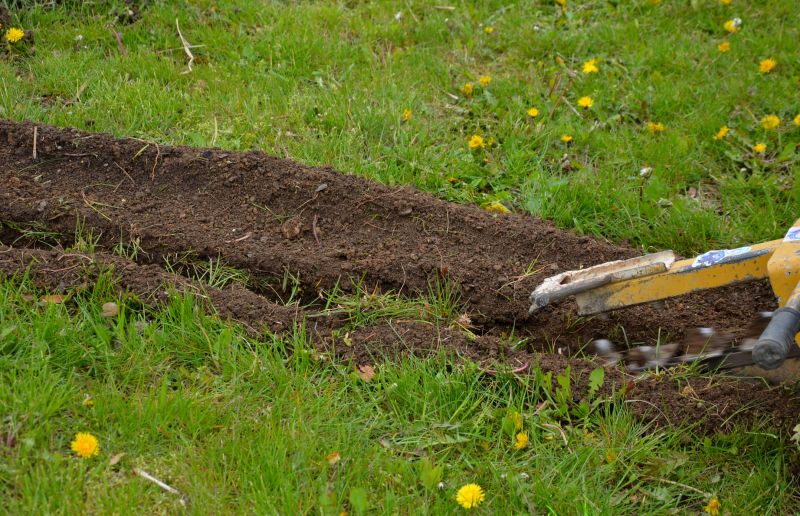
Ditch Digging in Salt Lake City, UT
Ditch digging services involve the excavation of narrow trenches or larger holes in residential properties for a variety of purposes. Common projects include installing underground utilities such as water lines, sewer pipes, or electrical conduits, as well as preparing sites for fencing, drainage systems, or irrigation setups. Property owners typically want to understand the scope of the excavation, the depth and width of the trenches, and any potential disruptions to their landscape or landscaping features before requesting this service.
Before initiating a ditch digging project, homeowners should consider factors like the location of underground utility lines, property boundaries, and local regulations. It’s also helpful to clarify the purpose of the trenches to ensure the work meets the specific needs of the project. Proper planning and communication can help facilitate a smooth excavation process and prevent issues related to utility conflicts or property damage.
Many property owners in Salt Lake City, UT look into Ditch Digging for repairs, replacements, upgrades, and appearance-related improvements.
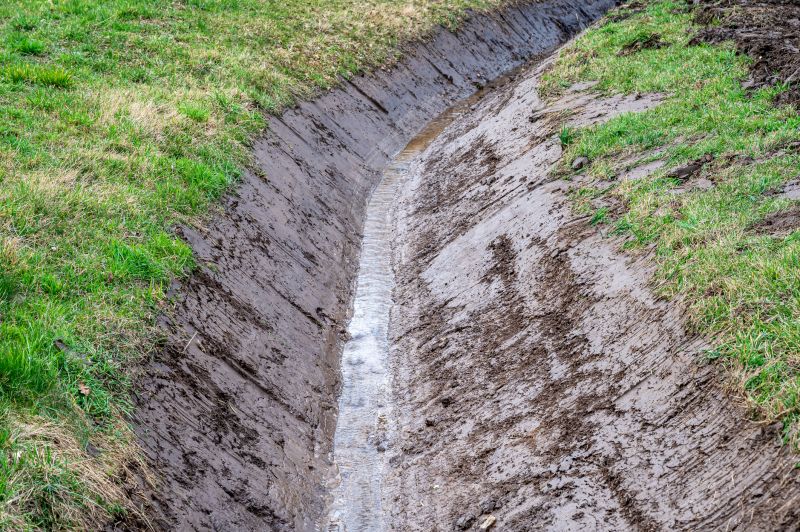
Residential Ditch Digging
Creating trenches for irrigation, drainage, or utility lines on residential properties in salt lake city, ut.
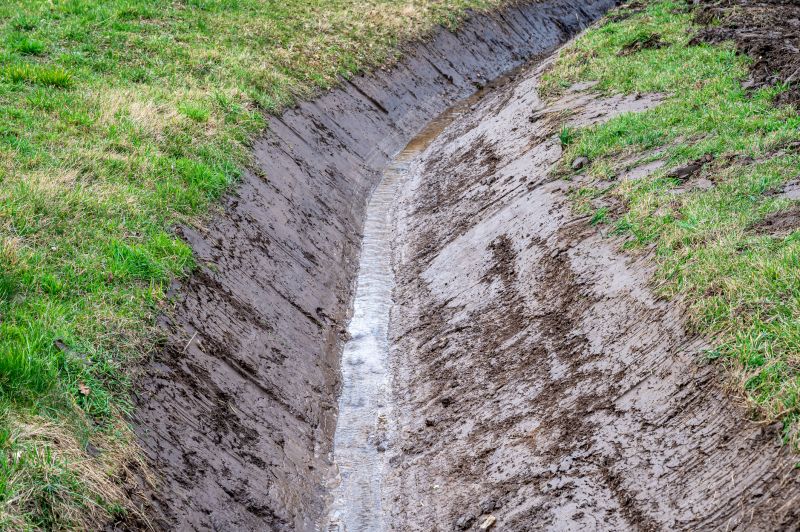
Commercial Ditch Excavation
Preparing large-scale projects such as landscaping or infrastructure development for businesses and organizations.
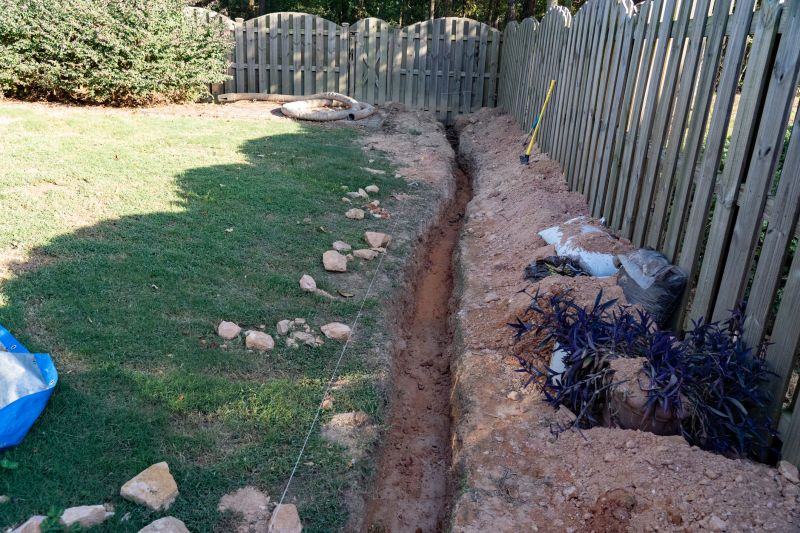
Utility And Drainage Installation
Installing or repairing underground utility lines and drainage systems to ensure proper property function.
Ditch Digging in Salt Lake City, UT

Ditch digging services involve the excavation of narrow trenches or larger holes in residential properties for a variety of purposes. Common projects include installing underground utilities such as water lines, sewer pipes, or electrical conduits, as well as preparing sites for fencing, drainage systems, or irrigation setups. Property owners typically want to understand the scope of the excavation, the depth and width of the trenches, and any potential disruptions to their landscape or landscaping features before requesting this service.
Before initiating a ditch digging project, homeowners should consider factors like the location of underground utility lines, property boundaries, and local regulations. It’s also helpful to clarify the purpose of the trenches to ensure the work meets the specific needs of the project. Proper planning and communication can help facilitate a smooth excavation process and prevent issues related to utility conflicts or property damage.
Many property owners in Salt Lake City, UT look into Ditch Digging for repairs, replacements, upgrades, and appearance-related improvements.
Common Ditch Digging Jobs
Drainage Projects - Installing or repairing drainage systems to prevent water pooling around the property.
Sewer Line Replacement - Replacing damaged or aging sewer lines to ensure proper waste removal.
Water Line Installation - Running new water lines for home additions or landscaping needs.
Foundation Drainage - Installing underground drains to protect the foundation from water damage.
Utility Line Excavation - Digging trenches for the installation or repair of underground utility lines.
Landscape Drainage Solutions - Creating effective drainage paths to manage rainwater and runoff.

Ditch Digging Questions
What types of projects require ditch digging services? Ditch digging is often needed for installing drainage systems, irrigation lines, or utility cables on residential properties.
How deep can a ditch be dug? Ditches can vary in depth depending on the project, typically ranging from a few inches to several feet deep.
What materials are used for ditch lining? Common lining materials include gravel, fabric, or concrete, depending on the purpose and soil conditions.
Is permission needed before digging a ditch? It’s recommended to check local regulations and obtain necessary permits before starting any excavation work.
Request Ditch Digging in Salt Lake City, UT
Use the quote form on this page to share the basics of your project and request more information for the type of work you need.