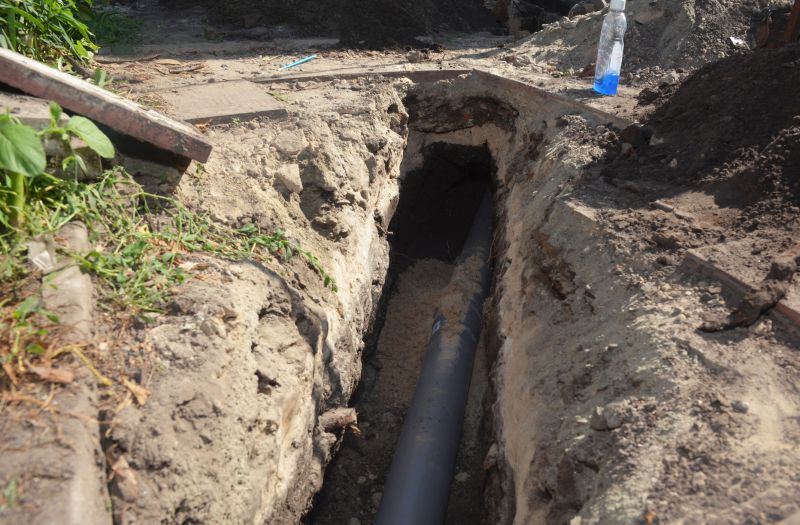
Downspout Trenching in Salt Lake City, UT
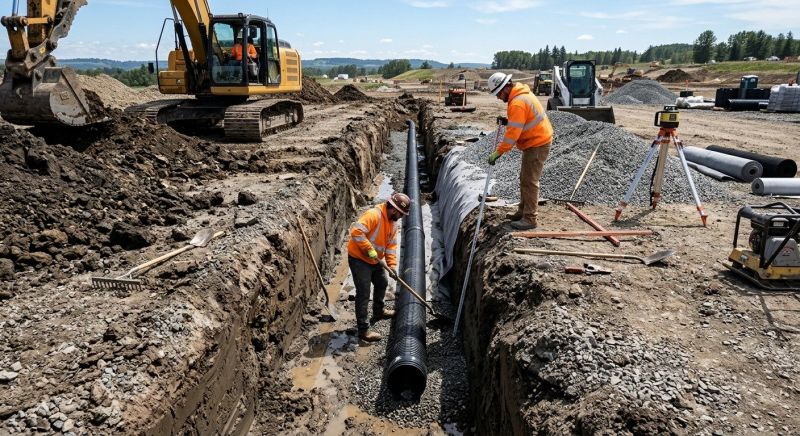
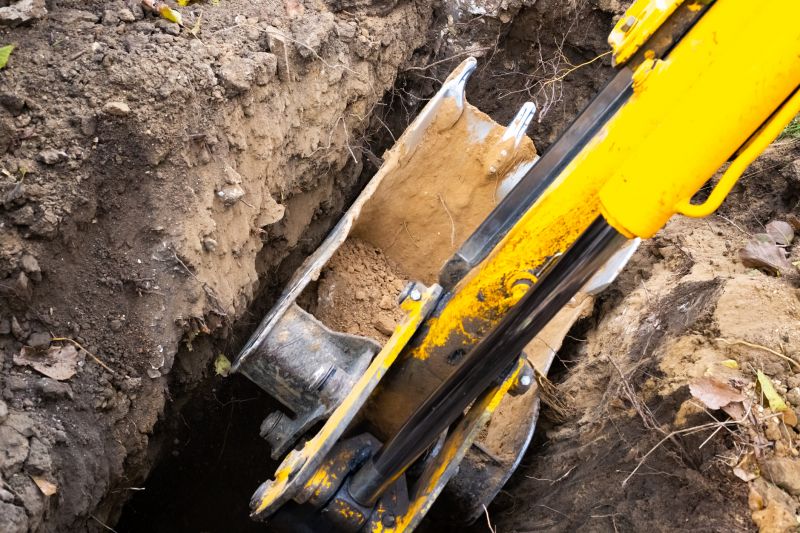
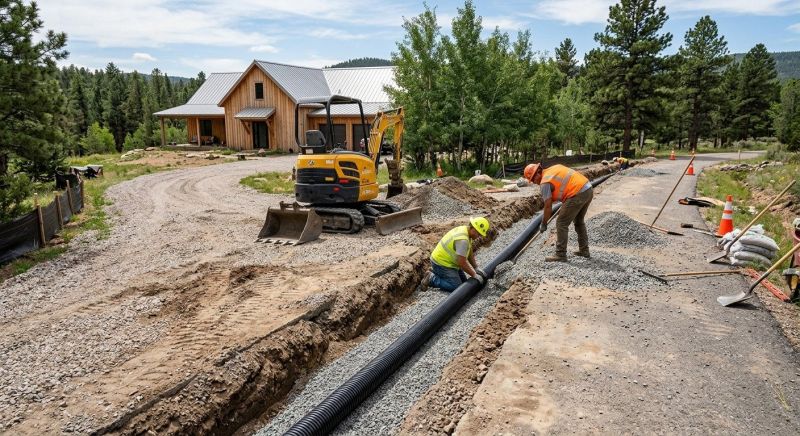
Downspout trenching involves excavating trenches to properly direct rainwater away from a property’s foundation and landscaping. This service is commonly used when existing downspouts need to be extended, rerouted, or when new drainage pathways are required to prevent water pooling and potential damage. Homeowners often request this work during major landscaping projects, foundation drainage improvements, or after noticing issues with water accumulation near the home’s base.
Before requesting downspout trenching, property owners should consider the layout of their property’s drainage system and identify areas where water tends to collect or cause problems. It’s helpful to understand the desired endpoint for water runoff and whether additional features like splash blocks or drainage pipes are needed. Proper planning ensures that the trenching effectively manages water flow, reduces erosion, and protects the property’s structural integrity.
Many property owners in Salt Lake City, UT look into Downspout Trenching for repairs, replacements, upgrades, and appearance-related improvements.
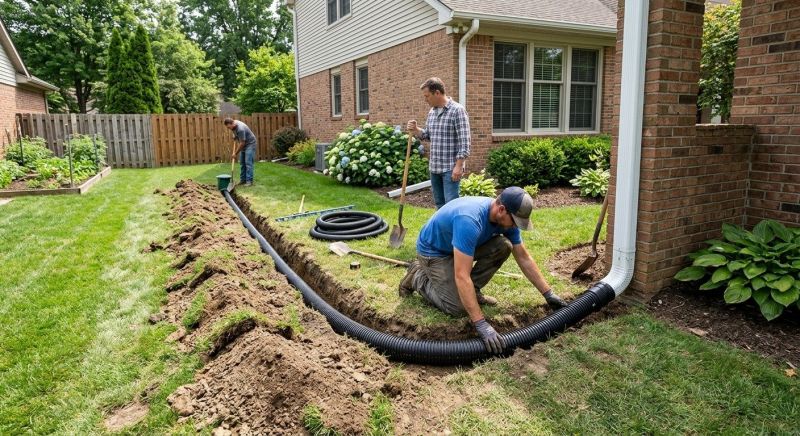
Proper Drainage Solutions
Downspout trenching helps direct rainwater away from foundations and landscaping.
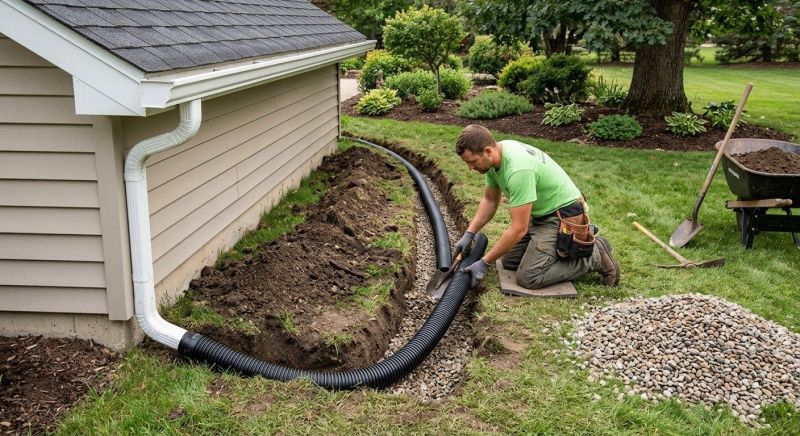
Foundation Protection
Installing trenches for downspouts prevents water damage and soil erosion around homes.
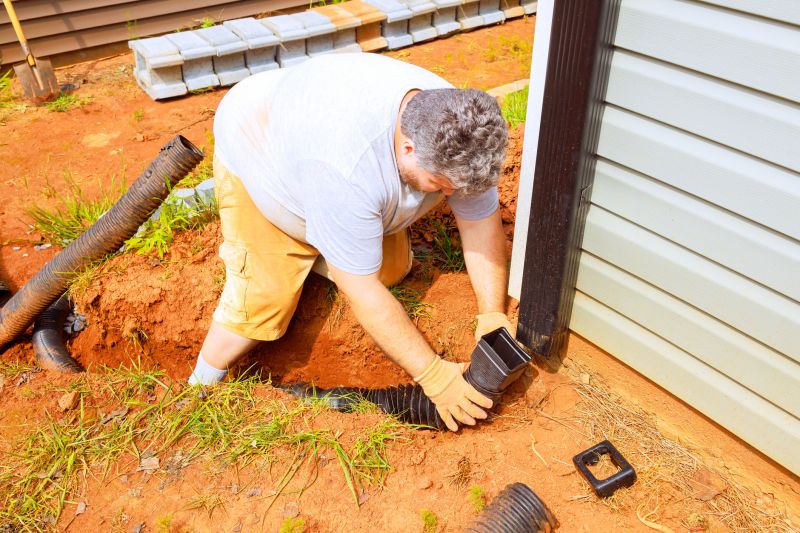
Customized Trenching Services
Services are tailored to fit the specific drainage needs of properties in salt lake city, ut.
Downspout Trenching in Salt Lake City, UT

Downspout trenching involves excavating trenches to properly direct rainwater away from a property’s foundation and landscaping. This service is commonly used when existing downspouts need to be extended, rerouted, or when new drainage pathways are required to prevent water pooling and potential damage. Homeowners often request this work during major landscaping projects, foundation drainage improvements, or after noticing issues with water accumulation near the home’s base.
Before requesting downspout trenching, property owners should consider the layout of their property’s drainage system and identify areas where water tends to collect or cause problems. It’s helpful to understand the desired endpoint for water runoff and whether additional features like splash blocks or drainage pipes are needed. Proper planning ensures that the trenching effectively manages water flow, reduces erosion, and protects the property’s structural integrity.
Many property owners in Salt Lake City, UT look into Downspout Trenching for repairs, replacements, upgrades, and appearance-related improvements.
Common Downspout Trenching Jobs
Downspout trenching involves installing underground drainage to direct roof runoff away from the foundation.
Drainage system installation helps prevent water pooling around the home’s foundation and basement flooding.
Gutter downspout extension trenching redirects water further from the property to reduce soil erosion and damage.
Foundation drainage solutions protect the structural integrity of a home by managing excess water runoff.
Landscape drainage trenching helps maintain yard stability and prevents water from pooling in low spots.
Custom trenching for downspouts ensures proper water flow and reduces the risk of water-related property issues.
Downspout Trenching Questions
What is downspout trenching? Downspout trenching involves digging a channel to redirect rainwater away from the foundation and prevent water damage.
When is trenching necessary for downspouts? Trenching is recommended when existing downspouts cause drainage issues or when installing new systems to improve water flow.
How does trenching improve drainage? It directs water through a designated pathway, reducing pooling around the foundation and minimizing soil erosion.
What should property owners consider before trenching? It's important to evaluate the property's slope, soil condition, and drainage needs to ensure effective water management.
Request Downspout Trenching in Salt Lake City, UT
Use the quote form on this page to share the basics of your project and request more information for the type of work you need.